

Have you noticed prices going up lately? Maybe your weekly shop costs a bit more. Perhaps filling the car feels pricier. This is inflation at work!
As your friendly experts here at Stagg Mortgage Services, we know understanding money matters is important. Especially when you are thinking about buying a home or managing your mortgage. Let’s explore together how the UK figures out how fast prices are rising. We promise to keep it simple and clear!
Key Takeaways:
- Understanding how the UK measures inflation helps you plan your budget better, especially for big steps like buying a home.
- The ‘shopping basket’ of goods and services, tracked by the ONS, is key to figuring out how prices are changing overall.
- The CPI and CPIH are important numbers. CPIH is extra helpful for homeowners because it includes housing costs!
- The Bank of England uses interest rates and other tools to try and keep inflation steady at a 2% target, which impacts things like mortgage rates.
Current Bank Rate:
4.5%
Next due: 8 May 2025
Current inflation rate:
2.6%
Target: 2%
Inflation is a crucial economic indicator that affects various aspects of life, including the property market. For prospective homebuyers, understanding how inflation targets are set and measured in the UK can provide valuable insights into the dynamics of property prices and mortgage rates.
In the UK, the government and the Bank of England play key roles in managing inflation through setting targets and implementing monetary policies.
This blog will explore the process of setting and measuring inflation targets in the UK and how these targets influence the property market.

What Exactly is UK Inflation? Let’s Break It Down
So, what is inflation? Think of it simply as prices going up over time. When prices for lots of things rise together, your money buys a little less than it used to. This means your purchasing power goes down. We measure inflation as a percentage. This percentage tells us how quickly prices are rising overall. Understanding this helps you see how your money’s value changes.
The UK’s Shopping Basket: Tracking Price Changes Every Month

How does anyone know how much prices are rising across the whole country? It’s a big job! The Office for National Statistics (ONS) handles this. They create a ‘virtual shopping basket’. This basket is full of goods and services that people in the UK buy regularly.
Every year, the ONS updates this basket. They add new popular items. They also take out things people buy less often. Think smart speakers being added and old CD players being removed. Around 700 items go into the basket. These include everyday things like bread and milk. They also add bigger buys like cars or holidays. Even services like getting a haircut are in there! The ONS checks the prices of these items every single month. They do this in many places across the UK. This helps them see how the cost of the whole basket changes over time.
Understanding the Numbers: Exploring UK Inflation Indices
Now, let’s talk about how inflation is measured in the UK through indices. An index is just a way to track change from a starting point. The main way the UK measures consumer inflation is using the Consumer Price Index (CPI).
The CPI looks at that big shopping basket. It measures the average change in prices that consumers pay. This is the number the government uses for its inflation target. What goes into the CPI? It looks at groups like:
- Housing Costs
- Food and Drink
- Transport
- Healthcare
- Education
- Fun and Culture
Each group is weighted. This depends on how much average households spend on it.
There’s also another important measure, especially for you as a potential homebuyer: the Consumer Price Index including owner occupiers’ housing costs, or CPIH.
This measure adds the costs linked to owning and living in your home. Think about things like council tax and home maintenance. CPIH often gives a fuller picture of how the cost of living changes for homeowners.
You might also hear about the Retail Price Index (RPI). This is an older way of measuring inflation. It includes some different things compared to CPI and CPIH, like mortgage interest payments. While RPI is not the main target measure anymore, it’s still used sometimes. For example, it can affect how much train tickets go up. There’s also the Producer Price Index (PPI). This tracks prices earlier on, when goods leave factories. It can give a hint about what might happen to consumer prices later.
Why Does the UK Aim for 2% Inflation?
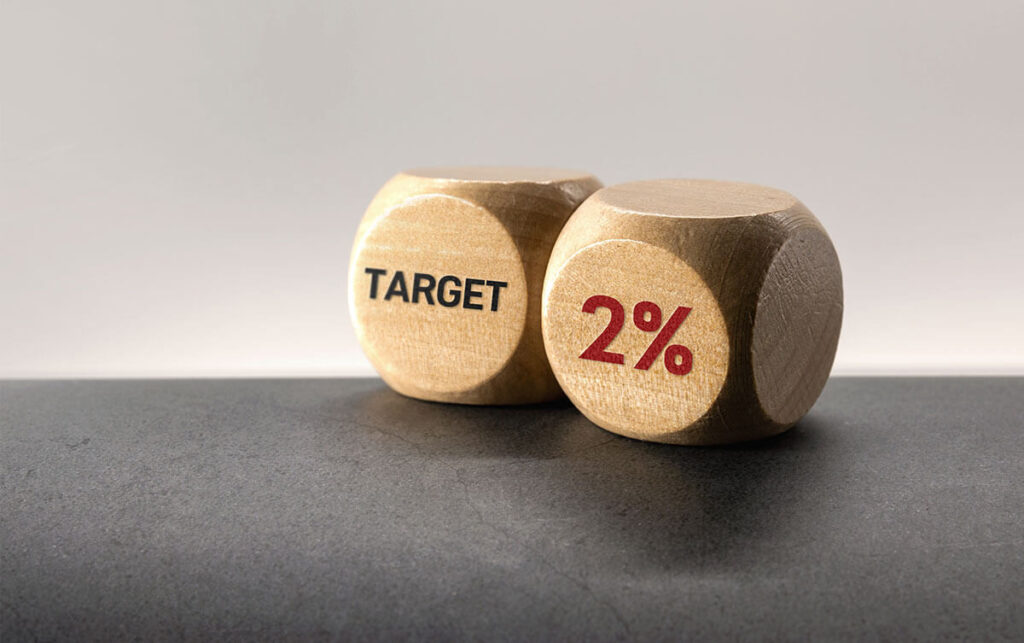
The government asks the Bank of England to keep inflation steady at 2% per year. Why 2%? It might seem strange to want prices to rise at all! But a little bit of steady inflation is healthy for the economy.
If prices fall overall (called deflation), people might stop spending. They might wait for prices to drop even more. This can hurt businesses. They might make less money. Then they might need to cut jobs or lower wages. This can slow the economy right down. So, a 2% target is like finding a sweet spot. It’s low enough that price rises feel small. But it’s high enough to avoid the problems of falling prices. It helps everyone plan for the future better.
Types of Inflation
- Demand-Pull Inflation
- Cost-Push Inflation
- Built-In Inflation
Demand-Pull Inflation
Occurs when the demand for goods and services exceeds supply, leading to higher prices. This can be due to increased consumer spending, government expenditure, or investment.
Cost-Push Inflation
Happens when the cost of production increases, causing producers to raise prices. This can result from higher wages, increased raw material costs, or supply chain disruptions.
Built-In Inflation
Also known as wage-price inflation, it occurs when businesses increase prices to compensate for higher wages, which in turn leads to demands for even higher wages, creating a self-perpetuating cycle.
The Bank of England’s Role: Keeping Prices Steady
So, who makes sure inflation stays close to that 2% target? That is the job of the Bank of England. Specifically, the Monetary Policy Committee (MPC). They meet regularly. They look at how the economy is doing. Then they decide what steps to take.
Their main tool is something called ‘monetary policy’. This sounds complex, but it’s about managing money and credit in the economy. Their biggest way to do this is by changing interest rates. They also have other tools:
- Quantitative Easing (QE). This is when the Bank buys government or company bonds. This puts more money into the banking system. The idea is to encourage banks to lend more. This helps money move around the economy.
- Forward Guidance. Forward guidance is a communication tool where the Bank of England provides information about its future policy intentions to influence economic expectations and behaviours.
How Interest Rates and Inflation Work Together
Interest rates are super important for managing inflation. Let’s think about what they are first. An interest rate tells you the cost of borrowing money. It also tells you how much extra money you get for saving money.
The Bank of England sets a key rate called the Bank Rate. This rate influences all sorts of other market interest rates in the economy. Think about the rates for loans, savings accounts, and yes, mortgages.
When the Bank of England wants to slow down spending to help cool inflation, they might raise the Bank Rate. Higher interest rates mean borrowing costs more. This might make people and businesses borrow and spend less. Saving money also becomes more rewarding.
Less spending overall can mean prices rise more slowly. This helps bring inflation down. On the other hand, if they want to speed up spending, they might lower the Bank Rate. Lower rates make borrowing cheaper. This can encourage more spending.
Measuring Inflation in the UK
Inflation in the UK is primarily measured using the Consumer Price Index (CPI), which tracks the price changes of a basket of goods and services over time. Other measures include the Retail Price Index (RPI) and the Producer Price Index (PPI).
Consumer Price Index (CPI)
The CPI measures the average change in prices paid by consumers for a basket of goods and services. It is the most widely used indicator of inflation and forms the basis of the government’s inflation target.
Components of CPI
- Housing Costs
- Food and Beverages
- Transport
- Healthcare
- Education
- Recreation and Culture
Each component is weighted according to its importance in the average household’s spending.
Retail Price Index (RPI)
The RPI is an older measure of inflation that includes housing costs such as mortgage interest payments and council tax. Although not used for the government’s inflation target, it is still used for certain indexation purposes, like adjusting pensions and train fares.
Producer Price Index (PPI)
The PPI measures the price changes of goods at the factory gate before they reach consumers. It is an indicator of inflationary pressures in the production process and can provide early signals of future consumer price inflation.
Impact of Inflation Targets on the Property Market
Inflation targets and the measures taken to achieve them have significant implications for the property market. Here’s how they affect property prices, mortgage rates, and the overall housing market dynamics.
Property Prices
Inflation influences property prices through several channels:
- Cost of Construction
- Demand for Housing
- Investor Behavior
Cost of Construction
Higher inflation can lead to increased construction costs due to rising prices of materials and labor. This, in turn, can push up property prices as developers pass on the increased costs to buyers.
Demand for Housing
Inflation can affect consumer confidence and spending power. High inflation erodes purchasing power, potentially reducing demand for housing. Conversely, stable or moderate inflation can support steady demand.
Investor Behavior
Inflation expectations influence investor behavior in the property market. In an inflationary environment, property is often seen as a hedge against inflation, attracting more investment and driving up prices.
Mortgage Rates
The Bank of England’s monetary policy actions to control inflation directly impact mortgage rates. Here’s how:
- Bank Rate Adjustments
- Market Interest Rates
- Fixed vs. Variable Rates
Bank Rate Adjustments
When the Bank of England adjusts the Bank Rate to manage inflation, mortgage rates tend to follow. A lower Bank Rate makes borrowing cheaper, encouraging mortgage lending and home buying. Conversely, a higher Bank Rate increases mortgage costs, potentially cooling the property market.
Market Interest Rates
Market interest rates, influenced by the Bank Rate and other economic factors, affect the cost of borrowing for mortgages. Higher market rates generally lead to higher mortgage rates, impacting affordability for homebuyers.
Fixed vs. Variable Rates
Fixed-rate mortgages offer stability by locking in interest rates for a specified period, protecting borrowers from interest rate hikes. Variable-rate mortgages, however, fluctuate with market rates, exposing borrowers to changes in the Bank Rate.
Overall Housing Market Dynamics
Inflation targets and the measures to achieve them influence broader housing market dynamics:
- Affordability
- Investment Returns
- Supply and Demand Balance
Affordability
High inflation and rising mortgage rates can reduce affordability, making it harder for individuals to enter the property market. This can lead to lower demand and slower price growth.
Investment Returns
Inflation impacts the real returns on property investments. In a high inflation environment, nominal returns may increase, but real returns (adjusted for inflation) can be lower. Investors may seek properties that offer better inflation-adjusted returns.
Supply and Demand Balance
Monetary policies to control inflation can influence the supply and demand balance in the housing market. For instance, lower interest rates can stimulate demand, while higher rates can dampen it, affecting the equilibrium between supply and demand.
Navigating Inflation in Real Life Scenario
Here at Stagg Mortgage Services, we often hear questions about how inflation impacts personal finances.
One common question people ask is,
“How can I manage my budget and save when everything costs more because of inflation?”
It is a really good question! High inflation makes saving harder. It also makes your current savings worth slightly less over time. When you are trying to save for a house deposit, this can feel frustrating. You might need to adjust your budget. Look closely at where your money goes. Find areas where you might be able to cut back a little. Even small savings add up. Also, think about whether your income is rising. Negotiating a pay rise can help your earnings keep pace with inflation. Most importantly, do not bury your head in the sand. Face your budget and make a plan.
Another question:
“Does rising inflation mean we have to take on debt, like a mortgage, or take risks with our money, just to keep up?”
It is a really interesting question. The idea is that saving money might not keep pace with prices going up. Especially for big things like buying a house. It can feel like you must make your money grow faster than inflation. You might think this means borrowing money or taking more investment risks.
We understand why it can feel that way. Prices are rising. If you save for a house deposit slowly, and house prices climb quickly, the goalpost seems to move. Taking on debt, like a mortgage, allows you to buy the house now. You use borrowed money to own an asset. This asset (your home) can also change in value over time. It is a different way to reach your goal compared to just saving up the full amount.
Investing money also aims for growth. The hope is your investments grow faster than inflation. But yes, investing always comes with some risk.
So, are you forced into debt or risk? We see it a bit differently. Taking out a mortgage does mean taking on debt. But for many, it is a planned step. It is a tool to achieve homeownership. It lets you secure a home at today’s price. You pay it back over many years. The key is doing it smartly. This means getting a mortgage you can afford. It means understanding the costs involved.
Inflation certainly changes the financial picture. It makes us think about our money’s value over time. It highlights the importance of planning. Getting expert financial advice is not about being forced into anything. It is about understanding your options. It helps you make choices that fit your life and goals. Especially for something as big as buying a home.
Key Considerations for Homebuyers
Understanding how inflation targets and measures impact the property market can help prospective homebuyers make informed decisions. Here are some key considerations:
- Timing Your Purchase
- Choosing the Right Mortgage
- Assessing Property Value
- Long-Term Planning
Timing Your Purchase
Consider the current inflation environment and monetary policy stance when timing your property purchase. Buying during periods of low inflation and lower interest rates can improve affordability and reduce borrowing costs.
Choosing the Right Mortgage
Evaluate the pros and cons of fixed-rate vs. variable-rate mortgages based on the inflation outlook. Fixed-rate mortgages offer stability, while variable-rate mortgages can be more flexible but expose you to interest rate changes.
Assessing Property Value
Understand how inflation affects property values and construction costs. Assess the long-term value and potential for appreciation, considering inflationary pressures and market dynamics.
Long-Term Planning
Incorporate inflation expectations into your long-term financial planning. Consider how changes in inflation and interest rates might impact your mortgage repayments, property value, and overall financial health.
Conclusion
Understanding how inflation is measured in the UK gives you power. You see the ‘why’ behind rising prices. You also see how experts track these changes. We have looked at the ONS shopping basket. We talked about the CPI and CPIH numbers. We saw how the Bank of England uses interest rates and other tools to manage things. Inflation affects your cost of living. It also plays a big role in the property market.
Staying informed helps you make better choices. Especially when it comes to your home and mortgage. If you are looking to buy or remortgage, and you want to understand your options in today’s economy, we are here to help. Contact Stagg Mortgage Services today. Let us guide you through the mortgage process with confidence.
Ready to discuss your mortgage options in today’s economy?
If you are looking to buy, remortgage, or simply want to understand how economic factors like inflation might affect your options, our friendly team at Stagg Mortgage Services is here for you. Don’t navigate the complexities alone. Contact us today for personalized, expert advice and let us help you find the right path forward with confidence.