
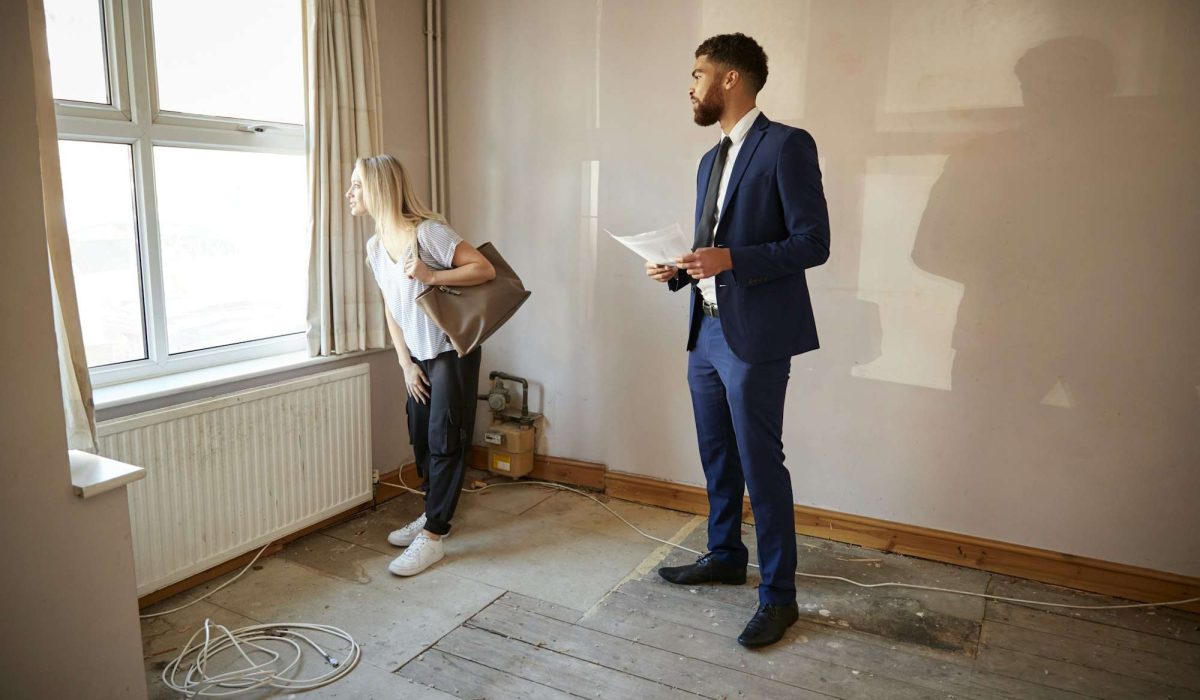

Buying a property is one of the most significant investments you’ll ever make, so it’s crucial to approach property viewings with a discerning eye. Whether you’re a first-time buyer or an experienced homeowner, knowing what to look out for can help you make an informed decision and avoid costly mistakes. Here’s a comprehensive guide on what to focus on during a property viewing.
Key Takeaways
- Don’t rush property viewings – Spend at least 30-60 minutes inspecting every detail of the house.
- Ask the right questions – About structure, utilities, legal aspects, and the neighborhood.
- Watch for warning signs – Such as damp, subsidence cracks, faulty electrics, and drainage issues.
- Compare multiple properties – Revisit homes at different times to get a complete picture.
Why a House Viewing Checklist is Essential
Buying a home is one of the biggest investments you’ll make. It’s easy to fall in love with a house at first glance, but you need to inspect it thoroughly to avoid costly surprises. This guide will walk you through everything you need to check before buying a home, from structural integrity to legal documents.
How Long Should a House Viewing Last?
- ✅ Spend a minimum of 30-60 minutes inside the property.
- ✅ Revisit at different times to check noise and lighting.
- ✅ Bring a friend or expert for a second opinion.
The Ultimate House Viewing Checklist
First Impressions Matter: Things to Look for When Buying a House
First impressions can tell you a lot. Before you even step inside, consider these factors:
- ✅ Curb Appeal & Neighborhood – Is the home well-maintained? Are nearby homes in good condition?
- Look at the landscaping, including lawns, trees, and pathways. Overgrown plants or neglected gardens could signal poor maintenance.
- Check the driveway and walkways for cracks or uneven surfaces, which might indicate foundation issues.
- Observe the paintwork and exterior walls—peeling paint or visible damage can be expensive to fix.
- ✅ Street Noise & Traffic – Is the area quiet, or does it get noisy at peak hours?
- Visit at different times of the day to assess noise levels from traffic, schools, or nearby businesses.
- Check for road conditions—is the street busy with cars parked on both sides?
- Look for speed bumps, stop signs, or pedestrian crossings, which can indicate high traffic zones.
- ✅ Nearby Amenities – Are there schools, parks, shops, or hospitals nearby?
- Find out how close essential services are, such as grocery stores, public transport, and emergency facilities.
- Research future developments in the area—are new buildings or commercial centers being planned?
- Investigate crime rates and community safety by checking local crime reports or speaking to neighbors.
External Inspection: What to Check Before Entering the House
A property may look great from the outside, but hidden structural issues could cost you thousands. Inspect:
- Roof Condition – Are there missing or cracked tiles? Does the roof sag?
- Gutters & Drainage – Are they clean and functioning properly?
- Brickwork & Foundation – Are there large cracks indicating subsidence issues?
Additional Inspection Points to Include:
- ✅ Chimneys & Flues – Are chimneys straight, with no leaning or visible cracks? If applicable, check if there are working flues.
- ✅ Roof Age & Material – Ask about the last roof replacement and the expected lifespan of the current roofing material.
- ✅ Fascias & Soffits – Are these wooden sections under the roof in good condition, or do they show signs of rot?
- ✅ Pathways & Driveway – Are there cracks or signs of uneven surfaces? These could indicate poor drainage or subsidence.
- ✅ Damp-Proof Course (DPC) – Is the DPC line visible and intact? Rising damp can be a costly issue.
- ✅ Exterior Render & Paintwork – Peeling paint or cracks in the render can be a sign of water penetration or poor maintenance.
- ✅ Security Features – Are there motion sensor lights, alarms, or security cameras installed?
- ✅ Garden & Trees – Are there overhanging branches or tree roots close to the foundation that might cause structural damage?
- ✅ Garage & Outbuildings – If there’s a garage or shed, check its roof, doors, and structural integrity.
- ✅ Flood Risk & Drainage Issues – Check if the area is prone to flooding, especially if there’s a history of water accumulation in the yard or driveway.
Structural Integrity
Once inside, focus on the structural integrity of the property.
Start by looking at the walls and ceilings for any signs of cracks or dampness.
- ✅ Small hairline cracks might be harmless, but larger cracks could indicate serious structural problems.
- Damp patches or mold on walls and ceilings can be signs of water damage or poor ventilation, which may require costly repairs.
- ✅ Examine the floors for any unevenness, creaking, or sagging, which could signal issues with the foundation or subfloor.
- ✅ Don’t forget to check the windows and doors – they should open and close easily without sticking. This can be a good indicator of the overall condition of the building’s structure.
Hidden Warning Signs That Could Cost You Thousands
- ✅ Subsidence Cracks – Are wall cracks wider than a 10p coin?
- ✅ Damp & Mould – Any musty smells or water stains?
- ✅ Faulty Wiring – Any exposed wires or flickering lights?
- ✅ Heating & Insulation – Ask about boiler age, energy efficiency, and insulation quality.
Layout and Space: Does the Home Fit Your Lifestyle?
The right layout can make or break how comfortable a home feels. Before committing, ask yourself if the space meets both your current needs and future plans.
General Layout Considerations
- ✅ Is the floor plan functional? – Does the home have a good flow between rooms?
- ✅ Open-plan vs. traditional layout – Do you prefer open spaces for entertaining or separate rooms for privacy?
- ✅ Check for awkward spaces – Are there oddly shaped rooms or areas that seem wasted?
- ✅ Are hallways too narrow or rooms too small? – Ensure they don’t feel cramped.
Outdoor & Future Growth Considerations
- ✅ Garden or Yard Space – Is it enough for children, pets, or outdoor activities?
- ✅ Home Office Potential – If remote work is a factor, is there a quiet, usable space?
- ✅ Expansion Possibilities – Can you extend or renovate if your needs change?
- ✅ Storage Solutions – Is there attic, basement, or garage storage available?
Room-by-Room Checklist
Living Room & Bedrooms
- ✅ Living Room & Dining Area Layout – Is there enough space for furniture without feeling crowded?
- ✅ Does the room get enough natural light?
- ✅ Do light switches and power outlets work?
- ✅ Are floors level and free from damage?
Bedrooms:
- ✅ Bedroom Size & Storage Layout – Can your bed and furniture fit comfortably? Are closets big enough?
- ✅ Does the room get enough natural light?
- ✅ Do light switches and power outlets work?
- ✅ Are floors level and free from damage?
Kitchen Inspection
- ✅ Kitchen Size & Storage Layout – Can it accommodate your cooking habits? Are there enough cabinets and workspace?
- ✅ Are kitchen cabinets sturdy and free from damage?
- ✅ Do countertops show signs of wear, stains, or water damage?
- ✅ Are built-in appliances (oven, dishwasher, extractor fan) functioning properly?
- ✅ Check under the sink for leaks or mold.
Bathroom
- ✅ Bathroom Layout – Are the shower, toilet, and sink well-placed, or does it feel tight?
- ✅ Do taps and showerheads have good water pressure?
- ✅ Are the sink, toilet, and bath in good condition with no visible cracks or stains?
- ✅ Inspect the tiles and grouting for signs of mold, discoloration, or gaps.
- ✅ Check if the extractor fan works efficiently to prevent damp buildup.
Built-in Wardrobes & Storage Units
- ✅ Do wardrobe doors open and close properly?
- ✅ Are shelves and drawers sturdy with no loose fittings?
- ✅ Check inside for signs of dampness or pests.
Plumbing and Electrical Systems: Ensuring Functionality and Safety
A home’s plumbing and electrical systems are essential for daily comfort and safety. Use this checklist to inspect these systems:
Plumbing System
- ✅ Test water pressure – Turn on taps in the kitchen and bathrooms.
- ✅ Check drainage speed – Ensure water drains efficiently in sinks, tubs, and showers.
- ✅ Look for leaks – Inspect under sinks, around toilets, and behind appliances.
- ✅ Flush toilets – Confirm they flush properly and refill without delays.
- ✅ Run the hot water – Check if the heating system works and how long it takes to warm up.
- ✅ Inspect exposed pipes – Look for signs of rust, corrosion, or damage.
- ✅ Check for damp smells – Musty odors near plumbing fixtures could indicate hidden leaks.
Electrical System
- ✅ Test light switches and outlets – Ensure they work and are conveniently placed.
- ✅ Count the number of outlets – Are there enough for your needs in each room?
- ✅ Inspect the fuse box – Check its age and condition; older systems may need upgrading.
- ✅ Look for exposed wires – Faulty wiring can pose a serious safety hazard.
- ✅ Ask about electrical upgrades – When was the last time the system was inspected or updated?
- ✅ Check for flickering lights – This could indicate voltage issues or faulty wiring.
Heating and Insulation: Keeping Energy Costs Down
A well-insulated and efficiently heated home can reduce energy bills and improve comfort. Use this checklist to evaluate heating and insulation quality:
Heating System
- ✅ Ask about the heating system type – Is it gas, electric, or oil-based?
- ✅ Check the system’s age – Older systems may need replacing soon.
- ✅ Inspect radiators or heating vents – Are they evenly distributed throughout the house?
- ✅ Test heating functionality – Does it heat up quickly? Any unusual noises?
- ✅ Ask for the boiler’s service history – Regular maintenance is key to efficiency.
- ✅ Check thermostat controls – Are they modern and programmable?
Insulation Quality
- ✅ Look at the windows – Are they double-glazed to improve insulation and reduce noise?
- ✅ Check for drafts – Run your hand around windows and doors to detect air leaks.
- ✅ Ask about loft insulation – A well-insulated attic can significantly improve energy efficiency.
- ✅ Examine door seals – Poorly sealed doors can lead to heat loss.
- ✅ Check EPC rating – A high rating means better energy efficiency.
A well-insulated home not only keeps you warm in winter and cool in summer but also prevents unnecessary energy waste—helping you save money in the long run.
Natural Light and Ventilation: How Bright and Airy is the Home?
Natural light affects mood, energy efficiency, and even property value. Poor ventilation can lead to damp, mold, and an uncomfortable living environment.
Assessing Natural Light
- ✅ Which direction does the property face? South-facing homes get more sunlight throughout the day.
- ✅ Do the main living areas receive sufficient daylight?
- ✅ Are windows large enough to brighten up the space naturally?
- ✅ Are there any obstructions (tall buildings, trees) blocking light?
Checking Ventilation
- ✅ Do windows open easily to allow airflow?
- ✅ Are there extractor fans in moisture-prone areas (bathroom, kitchen)?
- ✅ Any musty smells indicating poor ventilation?
Investigating the Neighborhood
- ✅ Walk around the area at different times of the day.
- ✅ Check local crime rates, traffic, and planned developments.
- ✅ Talk to potential neighbors for insights.
Final Thoughts
Potential for Future Modifications
Consider the potential for future modifications and improvements. If you plan to extend or renovate, check if the property layout allows for it and whether there are any restrictions, such as listed building status or conservation area regulations. Think about how easy it would be to make changes like adding an extra room, converting a loft, or knocking down walls to create an open-plan space.
Discuss your ideas with a builder or architect to get a rough estimate of costs and feasibility. Having a clear vision for future modifications can help you assess whether the property will meet your long-term needs and aspirations.
Special Considerations for Flats & Apartments
- Leasehold vs Freehold – Understand ownership terms.
- Service Charges & Ground Rent – Ask about maintenance costs.
- Shared Spaces & Soundproofing – How noisy is the building?
Ask the Right Questions: Don’t Leave Without These Answers
A house viewing isn’t just about what you see—it’s also about what you ask. The more details you gather, the better your decision will be.
Essential Questions for the Agent or Seller
- ✅ How old is the property? Older homes may require more maintenance.
- ✅ Has the house had any major renovations or repairs? If so, ask for documentation.
- ✅ Why is the owner selling? This may hint at hidden issues or urgency in the sale.
- ✅ How long has the property been on the market? A long listing time could indicate problems.
- ✅ Are there any issues with the neighbors or neighborhood?
- ✅ Has the property had any pest infestations or structural concerns in the past?
Utility & Financial Costs
- ✅ What’s the monthly cost for utilities (electricity, water, gas)?
- ✅ What council tax band is the property in? Higher bands mean higher taxes.
- ✅ Are there any service charges (for flats) or ground rent fees?
- ✅ Is the property leasehold or freehold? If leasehold, ask about the lease length and renewal costs.
Making the Most of Your Viewing
- 📸 Take Photos & Notes: You’ll likely visit multiple properties—document key details to compare later.
- 📋 Ask for Paperwork: EPC (Energy Performance Certificate), property surveys, and planning permissions can reveal more about the house.
- ⏳ Don’t Rush: Take your time inspecting every room, and don’t hesitate to schedule a second viewing.
Legal & Financial Checks Before Making an Offer
- Get a property survey (Homebuyer’s or full structural survey).
- Hire a conveyancer to check legal documents.
- Understand mortgage options before committing.
Trust Your Instincts
Finally, trust your instincts. While it’s essential to be thorough and analytical, your gut feeling plays a crucial role in choosing a home. Can you envision yourself living there? Does the property feel right for you and your family? A home is a significant investment, but it’s also a place where you should feel comfortable and happy.
If something feels off or you have doubts, take a step back and reassess. It’s better to walk away and keep searching than to settle for a property that doesn’t meet your needs or makes you uneasy.
Property viewings are a critical part of the home-buying process. By paying attention to the factors outlined in this guide, you can make a well-informed decision and avoid potential pitfalls.
Ask questions, take notes, and most importantly, trust your instincts. Buying a home is a significant investment, and ensuring it meets your needs and preferences will lead to a more satisfying and enjoyable living experience.
Mortgage and Financial Considerations: Ensuring a Smooth Buying Process
Buying a home isn’t just about finding the right property—it’s also about making sure you can afford it and that the financing process goes smoothly. This is where mortgage experts like Stagg Mortgage Services can help.
Key Financial Aspects to Consider Before Buying
- ✅ Mortgage Pre-Approval: Getting pre-approved helps you understand how much you can borrow and strengthens your offer when bidding on a property.
- ✅ Affordability Check: A mortgage advisor can assess your financial situation and find the best loan options tailored to your budget.
- ✅ Deposit & Loan-to-Value Ratio (LTV): Knowing how much deposit you need and what LTV ratio applies to your mortgage ensures you secure the best interest rates.
- ✅ Hidden Costs: Beyond the purchase price, factor in stamp duty, solicitor fees, survey costs, and moving expenses. Stagg Mortgage Services can help break down these costs so you’re fully prepared.
- ✅ Mortgage Types: Fixed-rate, variable, tracker—choosing the right mortgage type affects your long-term payments. Stagg’s team can guide you through the best option for your situation.
Why Work With Stagg Mortgage Services?
- 🔹 Personalized Mortgage Advice: Every buyer’s situation is unique—Stagg finds tailored mortgage solutions that fit your needs.
- 🔹 Access to Exclusive Deals: They have connections with lenders that offer better rates and flexible terms.
- 🔹 Stress-Free Process: From application to approval, they handle the paperwork and negotiations, saving you time and effort.
- 🔹 Support for First-Time Buyers & Remortgaging: Whether you’re buying for the first time or looking to refinance for better rates, they simplify the process.
💡 Pro Tip: Before making an offer, speak to a mortgage advisor like Stagg to ensure you’re financially ready and won’t face any surprises later. This puts you in a stronger position when negotiating with sellers.
Happy house hunting!